

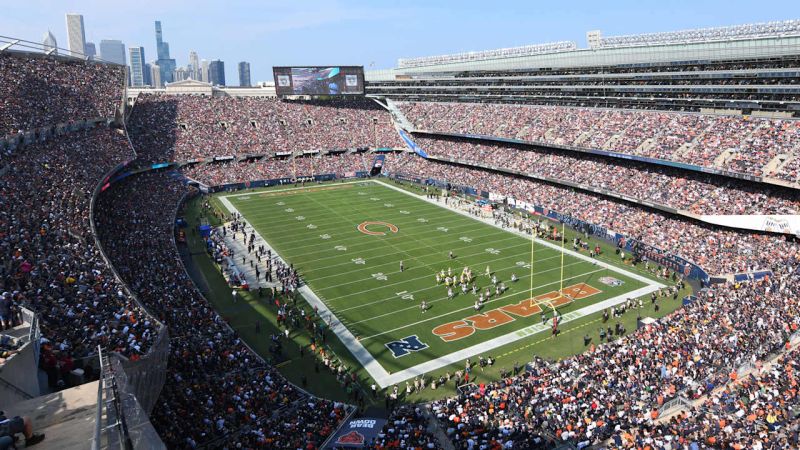
Chicago's pro sports teams have shaped our identity for generations.
Now they're at the center of a $14B question:
Should taxpayers help fund stadium-anchored developments to give Chicago a post-pandemic jolt?
From the Chicago Bears' proposals to new visions tied to the Chicago White Sox, Chicago Fire FC, and the United Center, this isn't just a sports debate.
It's a land-use debate, a tax-base debate, and a leadership test.
Historically, traditional stadium subsidies have rarely generated net-new economic growth, they tend to redistribute spending, but the modern model looks different.
In places like Atlanta and San Francisco, stadiums are no longer standalone venues. They anchor mixed-use districts with housing, offices, transit, and daily foot traffic. Chicagoans have seen this play out firsthand in Wrigleyville over the past decade.
The game isn't the sole product anymore, the neighborhood is.
That's the lens leaders need to apply:
- Is public investment tied to property tax growth the project itself generates?
- Does the development activate land 365 days a year (not just on game days)?
- Is there downside protection if projections fall short?
- Would we support this project if it didn't have a logo attached to it?
It's no longer about team loyalty; it's about whether sports can function as cultural infrastructure in a city adjusting to remote work, shifting downtown patterns, and constrained public budgets.

